Selling a House With an Old Roof: What Are Your Options?
If your roof is old and you are selling, you have four real options. Get a written inspection report first. Then pick one: replace the roof before you list, offer the buyer a roof credit at closing, or sell as-is and disclose the roof's condition. The right choice depends on what life the roof has left, not just its age. Buyers, their inspectors, and their lenders will all look at that same roof. It helps to know what they will see before they see it.
Should You Replace the Roof Before You List?
Replacing the roof before you list removes the issue. Buyers see a new roof. Inspectors have nothing to flag. You can price the home without a roof discount built in.
The tradeoff is cost. As of 2026, most Portland-metro homeowners pay $9,000 to $20,000 for a new asphalt shingle roof. That is typical local market pricing, not a quote. Size, pitch, and material drive the exact number up or down. It is still a real expense to carry right before a sale. For the full breakdown, see our guide to what a new roof runs in the Portland metro.
Replacing makes the most sense when the roof is genuinely near the end of its life, and you want a fast sale or multiple offers. It makes less sense when the roof still has real years left. In that case a repair, or no roof work at all, may cover it. Deciding between a repair and a full tear-off comes down to the same question either way: what does the roof actually need?
What Is a Roof Credit at Closing, and When Does It Make Sense?
A roof credit is cash you give the buyer at closing instead of replacing the roof yourself. The buyer takes that money and handles the roof after they own the home. Your upfront cost stays at zero, and the buyer picks their own roofer and timeline.
This option works best when the buyer's loan does not require the roof fixed before closing (more on that below). It also needs both sides to agree on a fair number. A documented inspection report makes that number fair instead of a guess. It gives both sides the same facts: what is actually wrong, and roughly what fixing it costs.
Can You Sell a House With an Old Roof As-Is?
Yes. But as-is does not mean the roof goes unmentioned. You still have to disclose what you know about its condition. Most buyers will still schedule their own inspection. Selling as-is mostly shifts who decides what to do about the roof, from you to the buyer. It usually shows up as a lower offer that reflects the roof's condition.
As-is tends to fit a seller who wants speed and certainty over top dollar. It also fits when the numbers do not support a replacement before selling. It is a legitimate option. It is just not a way to keep the roof out of the conversation.
Will an Old Roof Stop a Buyer's FHA or VA Loan?
It can. FHA rules require a roof to have at least two years of life left at the time of appraisal. VA loans carry a similar rule: the roof has to be sound. If the appraiser cannot confirm that much life is left just by looking, they can call for a professional inspection or require repairs before the loan closes.
This matters most when your likely buyers lean FHA or VA, which is common with first-time buyers. A written report showing the roof's real remaining life, done on your own timeline, can stop a financing surprise from stalling your sale.
What Does a Pre-Listing Roof Inspection Actually Show You?
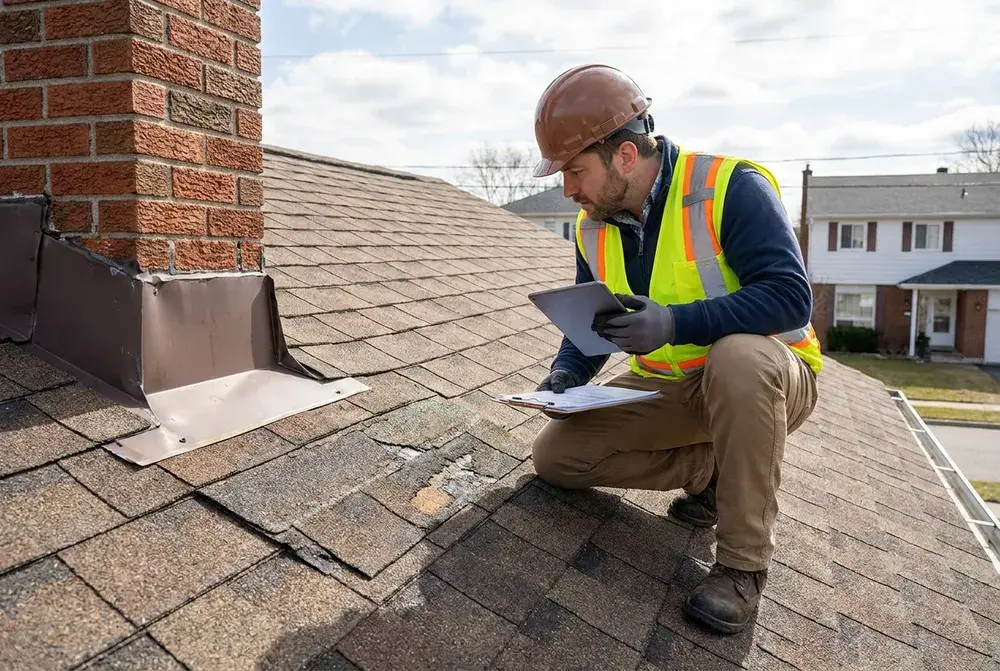
A real inspection covers the whole roof. At Sealed Roofing, that means the shingles, the flashing around chimneys and vents, the valleys where water pools, and the gutters. Then we check the attic for water stains, damp insulation, and any daylight or soft wood. Those are the signs a leak has already started. You get photos of everything we find, with a plain-English read on where the roof stands. Not just a verbal opinion to take on faith.
That written, photo-backed report turns a vague "it's getting old" into a real answer. How many years of life are actually left? What, if anything, needs fixing first? The report also backs up whichever option you pick. A clean report supports an as-is listing. A report showing real wear supports a specific credit number instead of a guess. And if you decide to replace, a full roof replacement backed by a workmanship and labor warranty hands the next buyer that same honest paper trail.
Get a written, photo-backed inspection report before you list, so you negotiate from facts instead of guesses.
The Bottom Line
An old roof does not have to derail a home sale. But it does have to be dealt with honestly. A written roof inspection report is the starting point for every option here, replace, credit, or as-is. It tells you and your buyer the same thing: how much real life is left, and what, if anything, needs attention now.
Sealed Roofing is a licensed Oregon contractor (CCB #261915) serving Hillsboro, Beaverton, Portland, Salem, and Gresham. We check the roof and the attic, hand you photos of what we find, and give you a straight answer, even when that answer is "this roof is fine." Schedule your pre-listing roof inspection and know what you are selling before a buyer's inspector tells you first.
Talk to Sealed Roofing
Questions about your roofing job? We serve Hillsboro and the surrounding area with honest, upfront advice.
FAQ
Related questions
Who pays for roof repairs when you sell a house, the buyer or the seller?
It depends on what the inspection finds and what you negotiate. A seller can fix the roof before listing, offer a credit at closing so the buyer handles it after, or sell as-is and let the buyer factor the roof into their offer. There is no single rule. It is a point of negotiation like any other repair.
Does a roof's age alone fail a home inspection?
No. An inspector reports condition, not just age. A well-maintained older roof with no leaks and sound flashing can pass. What raises flags is visible wear: curling or missing shingles, soft spots, or signs of past leaks, on top of age.
How soon before listing should you get a roof inspection?
As early as you can, ideally before you set your price or sign with an agent. A report done weeks ahead gives you time to decide whether to repair, replace, or price around the roof's real condition, instead of reacting to a buyer's inspector mid-negotiation.